
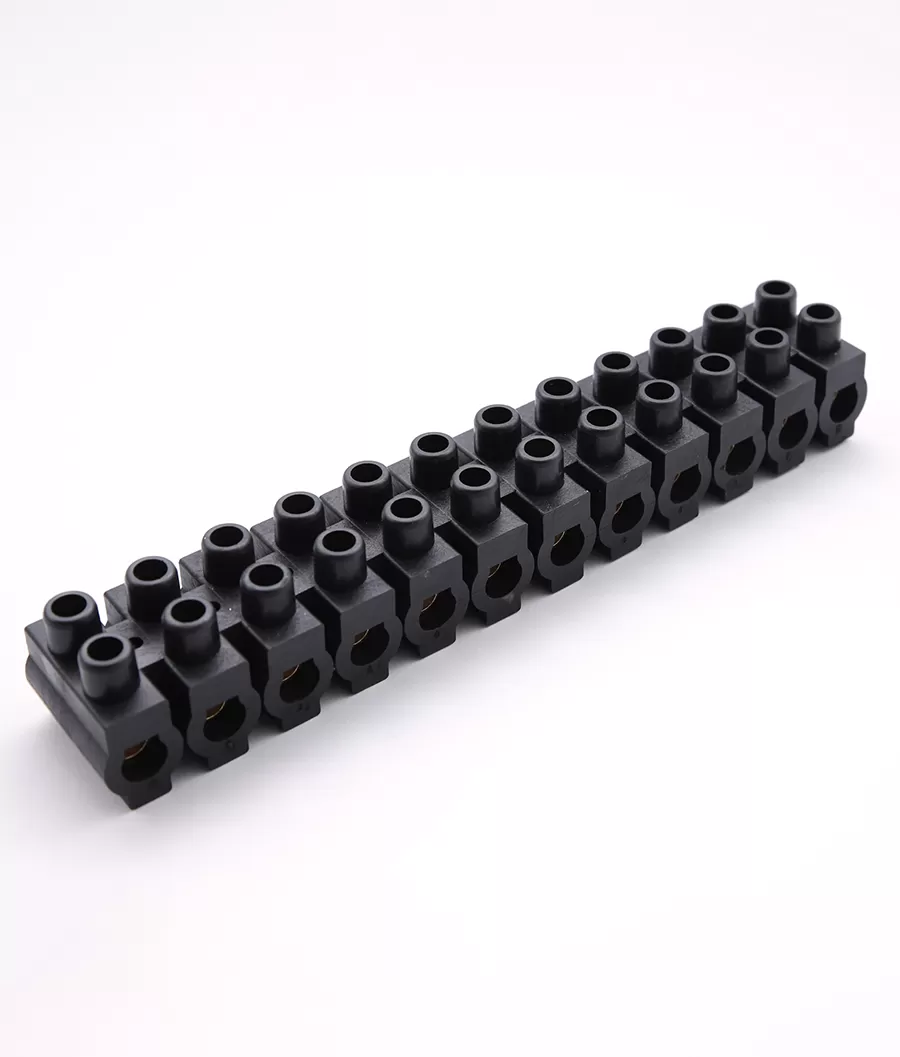
Terminal Block vs Connector: What's the Difference? | SafetyPass
Terminal Block vs Connector: What's the Difference?
By the Antong Engineering Team · Reviewed August 2026 · 9 min read
Understanding terminal block vs connector requires more than recognizing the names. Each term or option must be tied to a measurable function, rating, dimension or service requirement.
For beginners and buyers, that distinction affects initial design, purchasing, assembly and later maintenance. This guide follows the original brief from construction through ratings, applications and practical checks so the same evidence can support the RFQ, sample approval and inspection record.
From more than 35 years of manufacturing terminal blocks, the consistent lesson is that reliability comes from matching the complete application rather than one attractive number. Pluggable terminal blocks combine field termination with a separable plug-and-header interface.
Quick answer: A connector is the broad category for devices that join electrical circuits; a terminal block is one connector type optimized for terminated, inspectable wiring on a panel, rail or PCB. Use a mating connector for repeated plug/unplug cycles and a terminal block for organized field termination—unless a pluggable terminal combines both.
In this guide
Defining 'Terminal Block'
This section explains defining 'terminal block' and identifies the values that need to be fixed on the drawing, datasheet or RFQ. A change in one value can alter fit, rating or service access.
Screw/spring clamp device for joining wires
Keep wire size, conductor class and termination method on one datasheet row. If two conductors or a lug are involved, verify that exact combination instead of relying on physical fit. Do not copy the value from a neighboring series unless the manufacturer documents the same construction and approval.
Typically mounted on DIN rail or panel
Build a side-view layout with the terminal, mounting support, wiring duct and conductor bend. This reveals interference that a front-view catalog image will miss. Do not copy the value from a neighboring series unless the manufacturer documents the same construction and approval.
Defining 'Connector'
The decisions under defining 'connector' affect first-time assembly and long-term maintenance. Document them in the bill of materials and installation instructions instead of leaving them to operator judgment.
Broad term: any device that joins electrical circuits
The datasheet or drawing should identify broad term and state any device that joins electrical circuits. Use the point to eliminate unsuitable variants, then confirm the remaining choice on the exact datasheet and sample. Similar naming is not evidence of equivalent construction. Repeated mating life is a connector-system property and should not be assumed for a fixed terminal clamp.
Includes plugs, jacks, pin-and-socket, terminal blocks
Verify the dimensional drawing against the board or mating layout. Small pitch or orientation differences accumulate across poles and can stress pins, solder joints or housings even when a short sample appears to fit. Record the accepted condition in the terminal schedule so installers and inspectors use the same basis.
Practical Selection Summary
| Decision area | What to verify | Why it matters |
|---|---|---|
| Defining 'Terminal Block' | Screw/spring clamp device for joining wires; Typically mounted on DIN rail or panel | Defines the product function |
| Defining 'Connector' | Broad term: any device that joins electrical circuits; Includes plugs, jacks, pin-and-socket, terminal blocks | Controls fit and installation |
| Where They Overlap | Terminal blocks are a type of connector; Pluggable terminal blocks blur the line | Affects rating and service life |
| Antong Product Categories Explained | Terminal blocks vs junction connectors vs male/female terminals; Which product page to browse for each need | Prevents purchasing substitutions |
Use this table as an RFQ checklist; the exact datasheet remains controlling.
Where They Overlap
Evaluating where they overlap requires both product data and installed conditions. Keep each catalog value paired with the exact model, conductor, mounting and approval to which it applies.
Terminal blocks are a type of connector
Judge both alternatives under the same load, conductor, mounting and service conditions. Similar appearance or one shared dimension does not establish equivalent function or approval. Keep the evidence with the drawing and sample record so purchasing cannot substitute a similar-looking part.
Pluggable terminal blocks blur the line
Use the point to eliminate unsuitable variants, then confirm the remaining choice on the exact datasheet and sample. Similar naming is not evidence of equivalent construction. Pluggable terminal blocks combine field termination with a separable plug-and-header interface.
Antong Product Categories Explained
Antong's junction connectors illustrate how one named family can contain several materials, sizes and approval combinations. Use the complete item number and current drawing; do not transfer one model's rating to every variant in the range.
Terminal blocks vs junction connectors vs male/female terminals
Compare the alternatives on the same axes: function, current path, conductor, mounting, rating, service method and approval. Judge both alternatives under the same load, conductor, mounting and service conditions. Similar appearance or one shared dimension does not establish equivalent function or approval. Record the accepted condition in the terminal schedule so installers and inspectors use the same basis.
Which product page to browse for each need
State the requirement in terms that engineering, purchasing and inspection can all verify. If the catalog does not provide the needed value, request a drawing or test record before approval. Keep the evidence with the drawing and sample record so purchasing cannot substitute a similar-looking part.
Related guidance: Terminal Block Types: The Complete Guide with Pictures and What Is a DIN Rail Terminal Block? Types, Mounting & Sizes.
FAQ: Frequently Asked Questions
Is a terminal block the same as a connector?
Not exactly. A terminal block is a type of electrical connector, but the word connector also includes plugs, sockets, headers, pin-and-socket systems and many other separable or fixed interfaces.
What is a terminal connector?
Terminal connector is an informal term that may mean a terminal block, crimp terminal, lug or wire connector. Use a drawing, standard name and part number in purchasing documents.
When should I use a connector instead of a terminal block?
Use a connector when repeated mating, compact multi-circuit disconnection or sealed interfaces are required. Use a terminal block when field wires need individually inspectable, serviceable terminations.
Next Steps: Choosing the Right Terminal Block
Turn the guide into a short specification before requesting a quotation. Record the exact function, conductor, electrical ratings, dimensions, mounting, environment, accessories and destination-market approvals, then evaluate a sample in the real assembly.
Browse relevant products — compare complete terminal blocks and connectors catalog, junction connectors, and terminal lug connector strips.
Request the full catalog and drawings — keep the exact item number, revision, dimensions, ratings and accessory list together.
Evaluate production-representative samples — use the actual wire, ferrule or lug, tool, mounting and enclosure conditions.
Send a complete RFQ to engineering — include current, voltage, conductor, environment, quantity, approvals and any OEM/ODM requirements.
Antong has manufactured terminal blocks since 1989, operating a 55,000 m² production facility with ISO 9001 quality management and shipping to 70+ countries. Product parameters and certifications vary by exact model; request the current datasheet and approval evidence before releasing the bill of materials.
Continue reading
References & standards
IEC 60947-7-1, Low-voltage switchgear and controlgear — Part 7-1: Ancillary equipment — Terminal blocks for copper conductors — webstore.iec.ch
Antong product documentation, Terminal blocks, brass bars, factory and quality information — www.safetypass.com
Technical content prepared by the Antong Engineering Team from 35+ years of terminal block manufacturing experience. Values, compatibility and approvals must always be confirmed against the exact product datasheet and applicable installation standard before design release.